 STRUXA
StruxaOS
Design the support where the patient is.
StruxaOS is software in development at Struxa Labs. The intent is direct: give a care team the ability to design and produce a patient-specific orthopedic support on site, informed by data, rather than reaching for the nearest stock size.
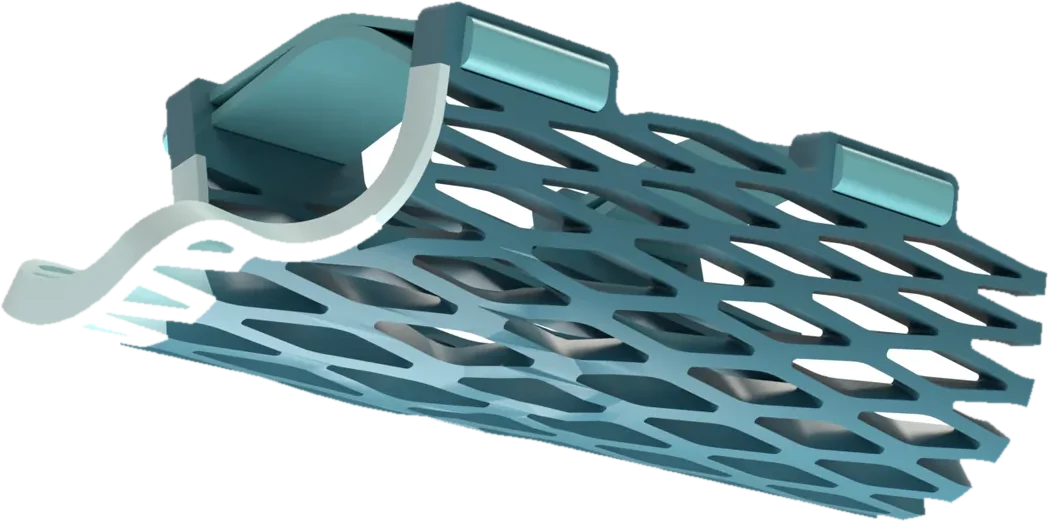
It is the second half of the same problem the Struxaform lattice solves. A structure that can be tuned to an individual is only useful if someone can actually generate it at the point of care.
Status
StruxaOS is in development. It is not available for purchase or for clinical use. It has not been cleared, approved, or validated by any regulatory body, and nothing on this site should be read as a claim that it has been. There is no availability date. We will describe it as shipping when it ships.
The model we are building toward
A four-step loop
None of this is a shipping workflow. It is the shape of the problem as we currently understand it.
- 01
Capture
A care team captures the geometry of the limb. The input is a shape, not a size chart.
- 02
Generate
The software generates a Struxaform structure fitted to that geometry. Because the lattice is parametric, cell size, strut thickness and orientation are values software can solve for rather than shapes someone has to draw.
- 03
Produce
The part is produced in the facility, additively, so an open internal structure costs nothing extra to make.
- 04
Learn
What has been produced before informs what gets produced next. Measurement from real parts is the input that makes the next one better.
Why this is possible now
A lattice defined by rules is a lattice software can fit
Struxaform is a patent-pending engineered open lattice, application 19/566,425. The important property for software is not the shape it makes but how the shape is described.
A conventional support is drawn. Every size is a separate piece of CAD, and fitting an individual means picking the closest one. A Struxaform part is generated: the geometry follows from parameters and a set of load paths. Change the inputs and you get a different, valid part.
-
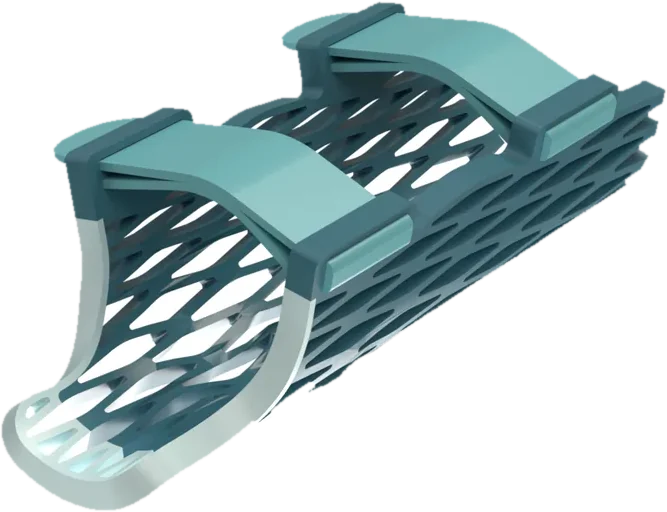
Parametric, not drawn
The structure is defined by rules. That is what makes it addressable by software rather than by a person with a mouse.
-
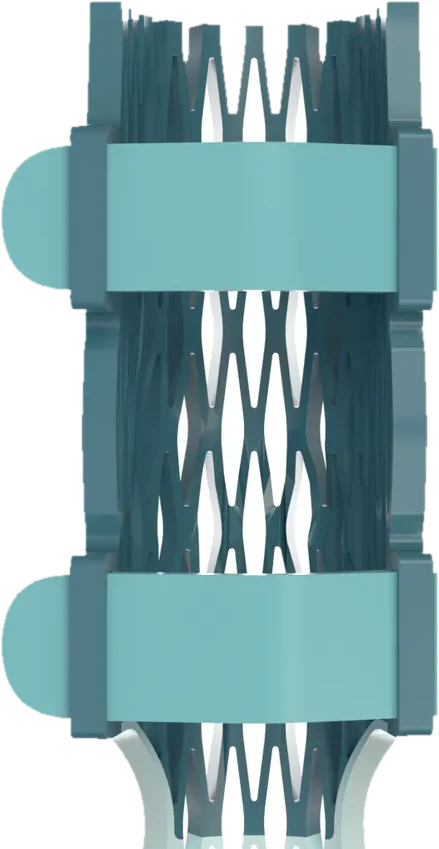
Properties that vary across one part
Stiffness is set by cell size, strut thickness and orientation, and it can change continuously across a single part: firmer where it needs to hold, more compliant where it has to wrap.
-
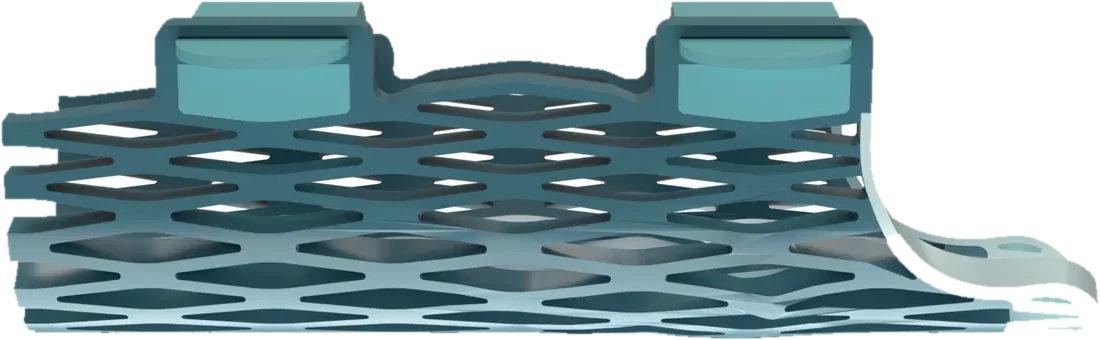
Open by construction
Air moves through the structure, the part is light for the stiffness it delivers, and the skin underneath stays visible.
-
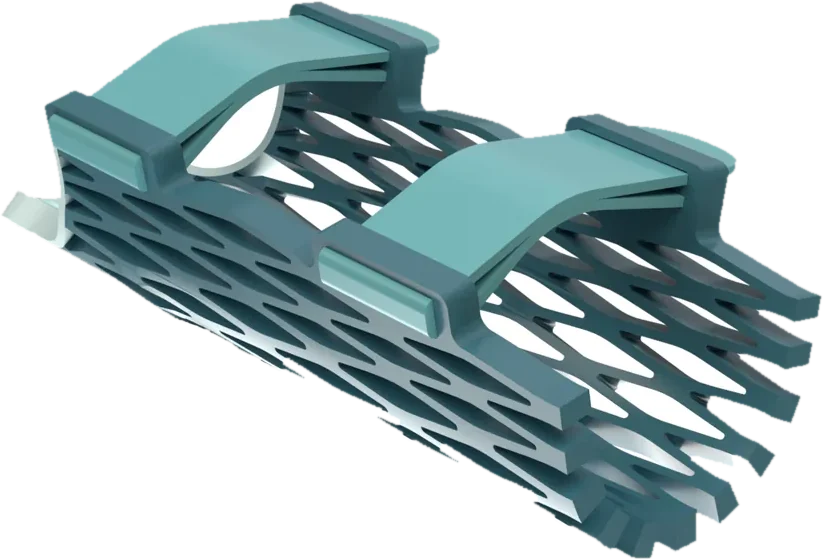
Built the way it is designed
Additive production means the file and the part are the same description. There is no tooling step in between to lose fidelity.
Who we are building it for
Where this would sit
We are early, and we would rather talk to the people who would actually use it than guess.
- Hospitals and clinicsTeams who fit orthopedic supports and run into the limits of stock sizing.
- CliniciansPeople who can tell us where supports fall short today, in specifics rather than in principle.
- Manufacturing and materials partnersGroups working on additive production near the point of care.
Get in touch
Early conversations welcome
If you work in this space and want to compare notes, we would like to hear from you. Concrete questions are welcome, and so is disagreement.
If you would rather help build it, open roles including engineering on StruxaOS are listed on the Struxa careers page.